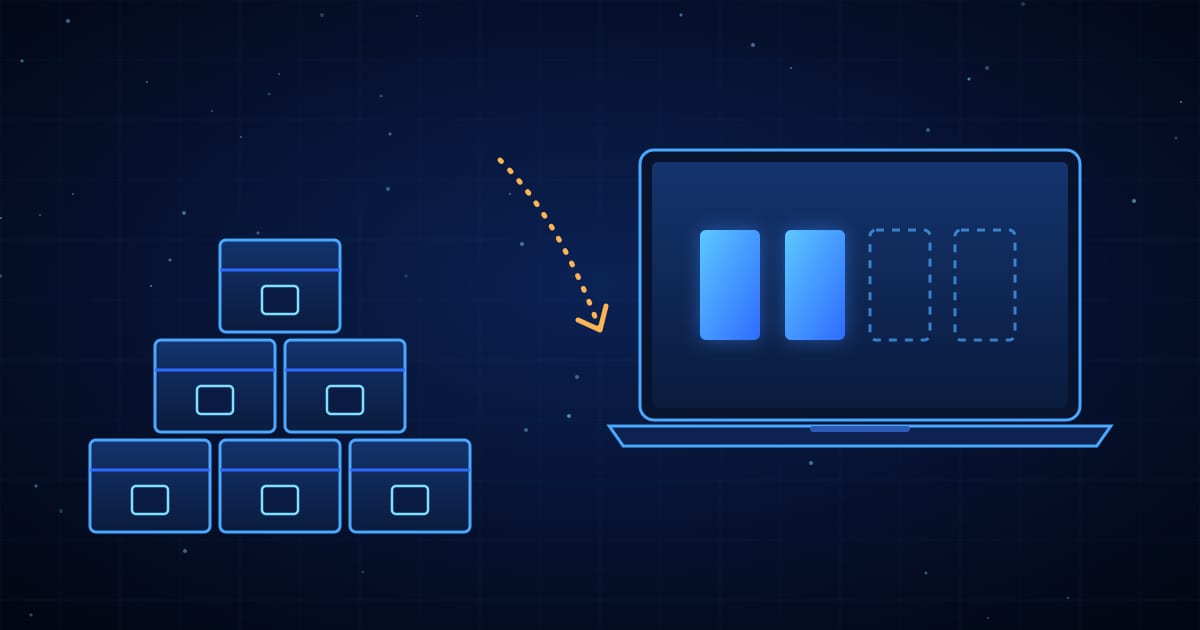
TrendForce says laptop shipments fell 15.8% from the previous quarter in Q3 2026 as higher memory costs pushed retail prices up, leaving PC makers with growing piles of unsold stock. Some are now cutting memory orders for late 2026 and early 2027 and planning 2027 models with lower-spec memory chips and CPUs with fewer cores. It also expects PC DRAM contract prices to keep rising in Q4, by 13–18%, though more slowly than last quarter.
Why it matters Running models locally depends on memory, so watch 2027 spec sheets closely: the same model name may come with less or slower RAM than before. If you need 32GB, 64GB or more, check the exact configuration before you buy instead of assuming next year's version will match.
Related guides: The entry-level local AI PC: a complete parts listWhat can I run with X GB? Memory, model size and speed in one table
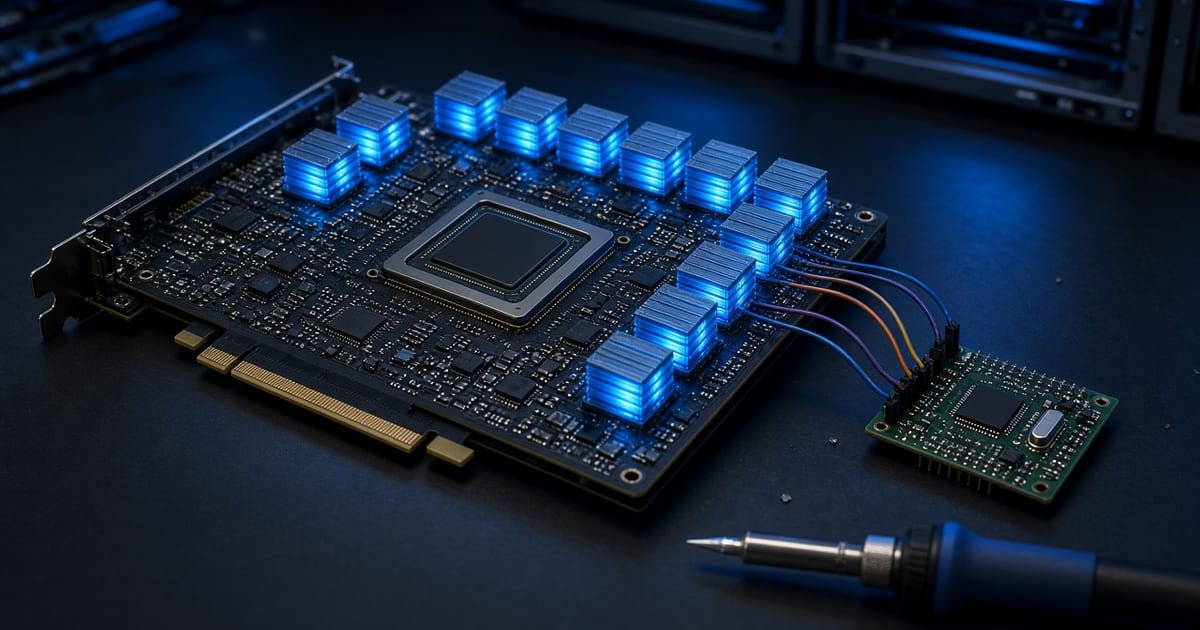
Tom's Hardware reports that a modder named Kate used a small microcontroller board to glitch the voltage on CMP-170HX mining cards, getting write access to the GA100 chip's normally locked fuse controller. That let her switch on the HBM2e memory and shader modules disabled at the factory, reaching the full 80GB and PCIe 4.0 speed, beyond what the existing CMPunlocker software mod allows. The fuse changes are permanent.
Why it matters It shows how much memory is locked away inside cheap used data-center silicon, which is why these cards keep coming up in home AI cluster builds. It is a soldering-iron, no-undo hardware mod, not a buying recommendation; for most people a 24GB to 32GB consumer card or a unified-memory machine is the safer path to big models.
Related guides: Best GPU for local AI at three budgetsBuild a local AI box: memory, storage, power, and the all-in-one alternative
llama.cpp's b12284 build, published November 11, adds OCP FP8 support to the CUDA backend, including FP8 matrix math through cuBLAS and FP8 handling for the KV cache. It builds on the FP8 tensor type added in v0.9.0 and the FP8 KV cache that arrived in b12274. The change notes include a test of a 27B model on a 32GB RTX PRO 4500 Blackwell card.
Why it matters FP8 files need about half the memory of 16-bit ones while keeping more precision than 4-bit quantization, so NVIDIA GPU owners get a middle option between size and quality. As always, check that your GPU and CUDA version are covered before switching formats.
Related guides: Best GPU for local AI at three budgetsWhat can I run with X GB? Memory, model size and speed in one table
A team led by Cyanogen co-founder Kirt McMaster unveiled Kora, a Linux desktop OS that runs local models by default, falls back to the cloud when needed, and can spread work across a PC's CPU, GPU and NPU or other machines on the same network. Its inference engine is built on llama.cpp and other open runtimes and mainly uses GGUF models. Snapdragon X2 Elite NPUs are supported first, AMD and Intel NPU support is planned but not for language models, and Kora is due on PCs later in 2027.
Why it matters Kora is still a 2027 product, but it shows where AI PCs are heading: the OS deciding which chip runs a model. Its makers recommend 64GB of memory for better models, and today only Qualcomm's NPU runs language models in it, so GPU and memory still matter most if you're buying now.
Related guides: The entry-level local AI PC: a complete parts listRun your first local model in 10 minutes
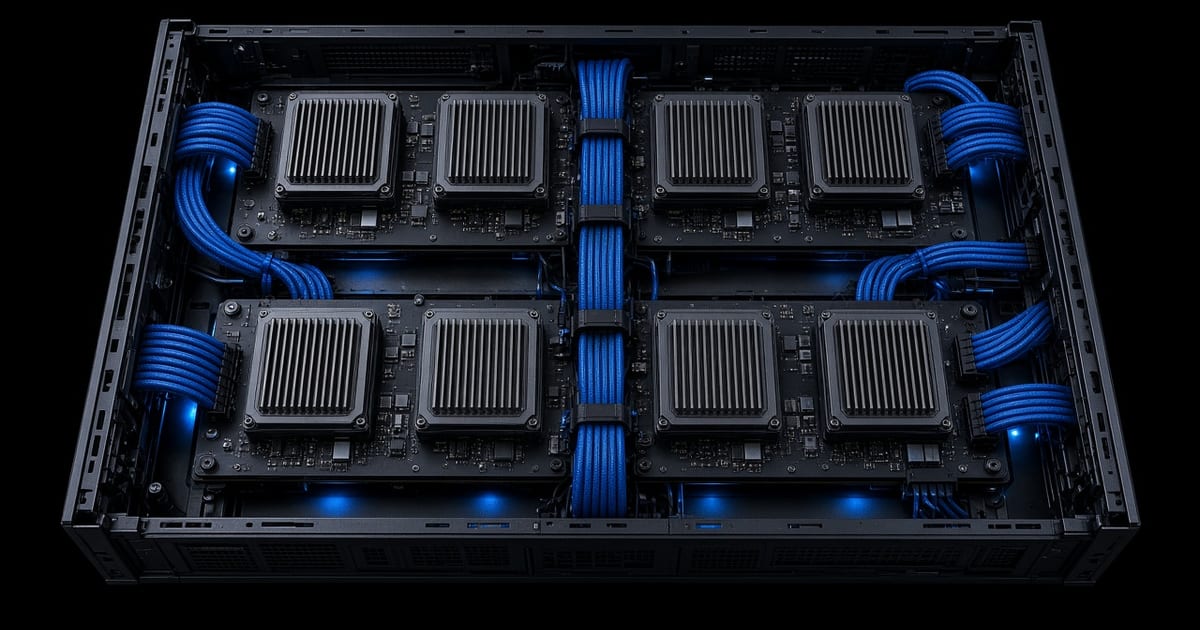
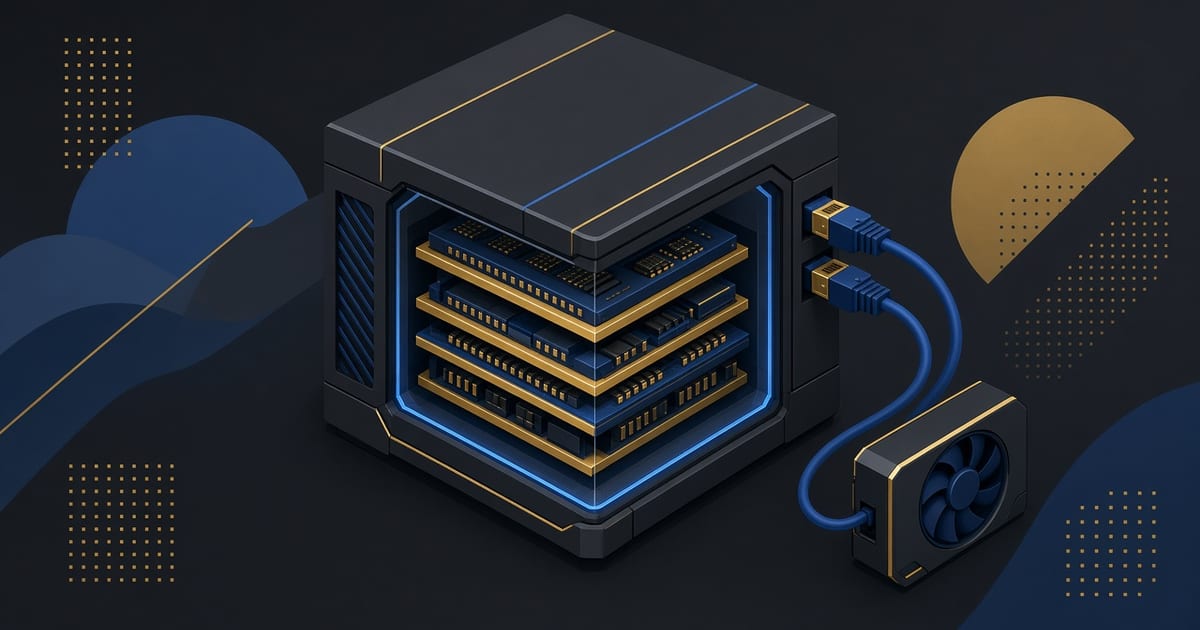
HotHardware reports that HP's ZGX Fury G1n is now listed at HP and B&H. It's built on NVIDIA's GB300 Grace Blackwell Ultra superchip, pairing a 72-core Grace CPU and 496GB of LPDDR5X with a Blackwell Ultra GPU that has 252GB of HBM3e, for 748GB in total. The liquid-cooled tower ships with Ubuntu 24.04, can be rack-mounted, and has two 400Gbps ports for linking several units.
Why it matters This is a machine for teams and companies, not a home desk, but it shows where local AI tops out: HP says it can run inference on models up to a trillion parameters at FP4 and fine-tune models over 100B parameters without the cloud. For personal use, 128GB unified-memory boxes remain the practical high end.
Related guides: Prebuilt PCs for local AI: when you'd rather not buildDGX Spark vs Mac Studio vs Strix Halo: the three 128GB desktop boxes